
Bohemian Rhapsody: The Song That Revolutionized Music
Discover how 'Bohemian Rhapsody' broke every rule and redefined the music industry in just 6 minutes.
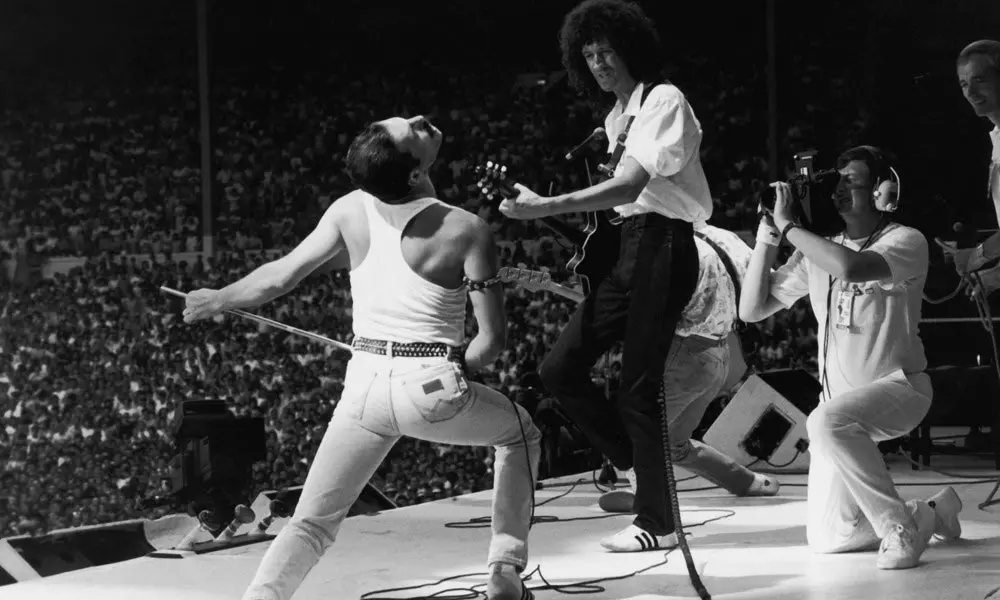
Bohemian Rhapsody: The 6-Minute Battle That Redefined the Music Industry
By: [Your Name as Music Historian for Mystify Radio]
In the vast constellation of popular music, few songs shine with the intensity and mystery of "Bohemian Rhapsody". More than a simple melody, it is an epic — a pocket opera, a symphonic rock piece that defied every convention and, in doing so, redefined what a song could be. But what many people don't know is that this masterpiece, today universally acclaimed, was nearly condemned to obscurity for its audacity. Its story is a testament to the power of artistic vision and to how music, when it is truly transformative, finds its way to impact the world.
Freddie Mercury's Unshakeable Vision
In the mid-1970s, the brilliant mind of Freddie Mercury was conceiving something unprecedented. He didn't want an ordinary pop single; he wanted a composition that transcended genres — one that fused ballad, opera, hard rock, and choral passages into a single piece. Freddie worked tirelessly on every detail, often composing parts in fragments and then joining them together with an almost architectural mastery. It is said he had the complete structure in his head before Queen ever entered the studio to record the album "A Night at the Opera" in 1975.
The song, at nearly six minutes long, was an anomaly in an era when radio singles rarely exceeded three minutes. Its non-linear structure, with abrupt shifts in tempo and style, was a direct challenge to the proven formula for success. It was ambitious, complex, and, for some, far too risky.
Industry Pushback: "Too Long, Too Complex?"
When Queen presented "Bohemian Rhapsody" to their record label, EMI, and to radio programmers, the reaction was predictable: skepticism. The industry, accustomed to concise, digestible hits, deemed the song "too long" for radio rotation, "too complex" for mainstream audiences, and, in short, commercial suicide. Executives strongly urged the band to edit it — to cut it down to a more "appropriate" length for airplay.
But Freddie Mercury, with the conviction that only a genius possesses, flatly refused. "We're not cutting it. Either it comes out in full or it doesn't come out at all," he reportedly said, making it clear that compromising the artistic integrity of "Bohemian Rhapsody" was unthinkable. The rest of the band — Brian May, Roger Taylor, and John Deacon — firmly backed their leader.
The Unlikely Hero: Kenny Everett and the Power of Spontaneous Airplay
That is when an unlikely hero stepped in: Kenny Everett, a charismatic DJ at Capital Radio in London and a close friend of Freddie. Mercury gave him a copy of the song, with the "warning" not to play it in its entirety. Everett, however, saw undeniable potential. Defying the station's guidelines and the terms of his own show, Everett began playing the full song — up to 14 times in just two days!
The public response was immediate and overwhelming. The station's phone lines were flooded with listeners demanding more. Record stores reported unprecedented demand for a single that, officially, had not yet been released. Word of mouth grew into an unstoppable roar. People wanted "Bohemian Rhapsody," and they wanted it uncut. Public pressure forced EMI to release the song as a single without any edits.
Revolutionary Impact: Changing the Rules of the Game
The success of "Bohemian Rhapsody" was meteoric. It held the number-one spot in the United Kingdom for nine consecutive weeks — a record at the time — and became a global phenomenon. But its impact reached far beyond sales figures.
- It Redefined the Single Format: It proved that a song could be long, complex, and still wildly successful. It opened the door for other artists to experiment with unconventional lengths and structures.
- It Legitimized Artistic Creativity: It was a triumph of the artist's vision over the commercial constraints imposed by the industry.
- Innovation in Music Videos: The song's iconic promotional video is considered a pioneer of the modern music video, expanding the way music was consumed visually.
- Mass Emotional Connection: Despite its complexity, the song resonated deeply with millions of people, proving that emotion and artistic quality can overcome any format barrier.
The Mystify Radio Connection: The Transformative Power of Music
The story of "Bohemian Rhapsody" is undeniable proof of the intrinsic power of music to connect emotionally, break barriers, and transform spaces. At Mystify Radio, we understand this lesson deeply. Just as Freddie Mercury and Queen challenged convention to create an unforgettable musical experience, we carefully select and curate music with that same potential.
We believe that the right music doesn't simply fill a space — it elevates it. It can influence your customers' mood, increase the time they spend with you, strengthen your brand recognition, and ultimately turn an ordinary visit into a memorable experience. At Mystify Radio, we don't just offer playlists; we provide strategic music curation that, like "Bohemian Rhapsody," defies the conventional and creates unique atmospheres that speak directly to the soul of your customers.
Never underestimate the power of a great track. Is your business ready to create its own sonic "Bohemian Rhapsody"? Discover how Mystify Radio can help you compose the perfect soundtrack for your success.
CEO and founder of Mystify Radio. Music curator for 100+ venues across LATAM. Specialist in audio branding and sonic identity.
About PauloWhat people ask us
Why was Bohemian Rhapsody considered too risky to release as a single?
The music industry, including Queen's record label EMI and radio programmers, deemed the song too long at nearly six minutes, too complex for mainstream audiences, and essentially commercial suicide. In an era when radio singles rarely exceeded three minutes, its non-linear structure and abrupt shifts in tempo and style directly challenged the proven formula for success. EMI executives strongly urged the band to cut it down to a more airplay-friendly length.
How did Bohemian Rhapsody get on the radio if the label didn't want to release it?
DJ Kenny Everett of Capital Radio in London, a close friend of Freddie Mercury, received an advance copy of the song. Despite being warned not to play it in full and defying his station's own guidelines, Everett played the complete track up to 14 times in just two days. The public response was overwhelming, with phone lines flooded and record stores reporting unprecedented demand, forcing EMI to release the song unedited.
How commercially successful was Bohemian Rhapsody when it was finally released?
The song held the number-one spot in the United Kingdom for nine consecutive weeks, which was a record at the time, and became a global phenomenon. Its success proved that a long and structurally complex song could be wildly popular, defying the industry's assumptions about what mainstream audiences would accept.
What lasting impact did Bohemian Rhapsody have on the music industry?
The song redefined the single format by proving that unconventional lengths and structures could succeed commercially, opening the door for other artists to experiment. It also legitimized artistic creativity over commercial constraints and its promotional video is considered a pioneer of the modern music video, expanding how music was consumed visually.
How did Freddie Mercury respond to pressure from the label to shorten the song?
Freddie Mercury flatly refused to edit Bohemian Rhapsody, reportedly stating that it would come out in full or not at all. He viewed any compromise of the song's artistic integrity as unthinkable, and the rest of the band -- Brian May, Roger Taylor, and John Deacon -- firmly backed him.
What does the story of Bohemian Rhapsody have to do with music curation for businesses?
According to the article, the story illustrates the intrinsic power of music to connect emotionally, break barriers, and transform spaces. Mystify Radio draws on this lesson by offering strategic music curation designed to elevate business environments, influence customer mood, increase the time customers spend in a space, and strengthen brand recognition -- much like Queen challenged convention to create an unforgettable experience.
Get the next article
Once every two weeks. No spam, only what is worth reading.