The Sound of Wellness: How Music Defines the Identity of Gyms, Spas, and Aesthetic Clinics
In the wellness sector, music is not decoration: it is the first language that communicates who you are before a client sees a single logo or receives a single service.
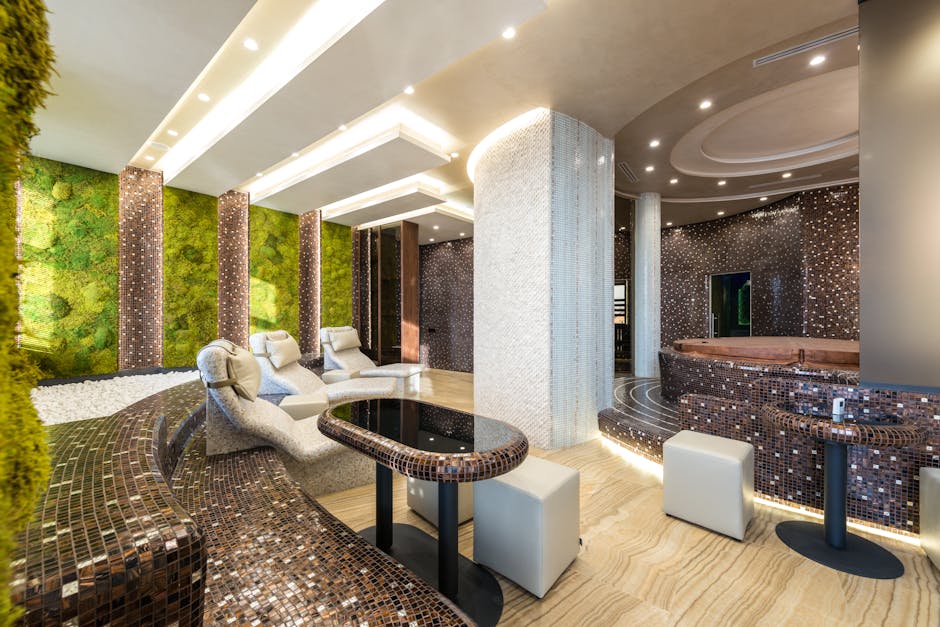
The first message your client receives is sound
Before touching a warm towel, before smelling the massage oil, before seeing the logo above the reception desk, your client is already listening. And that sound — or the absence of it — triggers a chain of signals that determine whether the space feels coherent, premium, or simply generic.
In the wellness sector, this carries particular weight. Gyms, spas, and aesthetic clinics sell a promise of transformation. The problem is that this promise can collapse in seconds if the ambient music does not speak the same language as the rest of the offering. A high-end aesthetic medicine clinic that sounds like a strip-mall shop not only creates discomfort — it contradicts everything its interior design worked to communicate.
What is most surprising is that this mistake remains common, at precisely the moment when the global sonic branding market reached USD 2.12 billion in 2024 and is projected to grow at an annual rate of 10.7% through 2033. Brand music has moved from being a luxury to becoming a measurable tool for competitive differentiation.
Two industries, two completely different sonic languages
The most common mistake in the wellness sector is treating ambient music as a single category. It is not. A functional training gym and a sports recovery spa may share the same building, but their sonic identities should be opposites — and that is precisely what makes them coherent.
The gym: music as architecture of energy
Brands like Nike have applied this principle at a global scale for years. In their flagship stores, high-energy music is not a random playlist: it is an extension of the brand's athletic positioning. The musicality creates what some strategists call "the right mindset" before a client touches a single weight.
The most recent and telling example is Crunch Fitness, which in December 2025 launched its "Feel More" campaign, directed by Hype Williams and built around the concept that its members live inside a music video. The campaign was not a television ad with background songs: it was a declaration that the gym's sonic identity is the brand.
Research in consumer psychology supports this logic. Playing slow-tempo music in retail environments can cause customers to stay up to 34% longer in a space. In gyms, the dynamic reverses: fast music sustains effort, reduces the perception of fatigue, and makes the workout feel aligned with the user's expectations. When the playlist fails, the space feels dishonest.
The spa and aesthetic clinic: music as therapeutic protocol
At the other end of the spectrum, a spa cannot afford to improvise. Studies show that even 20 minutes of appropriate music can lower systolic blood pressure by 5 to 7 mmHg, reducing stress and preparing the body to receive any treatment with greater effectiveness.
This is not ornamental: it is part of the service. The music in a well-managed spa does not sound the same at reception as it does in the treatment room. Each zone has its function, and the sonic transition between one and the next is what makes the client feel that the experience was designed for them. When that progression exists, the client reads it as luxury. When it does not, they read it as carelessness.
For aesthetic clinics, the challenge is even more nuanced: the space moves between the medical and the experiential. A boutique clinic that wants to communicate sophistication and trust needs a sonic palette that avoids two equally damaging extremes: the clinical silence that generates anxiety, and the generic pop music that trivializes the context. Finding that balance requires genuine curation, not a playlist pulled from a mass-market app.
Sound as a competitive differentiator: cases that prove it
Starbucks is the unavoidable reference point. The chain not only curated its sonic environment from its earliest decades — in 2007 it launched its own record label to ensure that the music playing in its locations was a genuine extension of the brand, not a random byproduct. Today, walking into a Starbucks in Santiago or Tokyo activates the same sonic landscape, and that is brand identity in its purest expression.
At the opposite end of the wellness spectrum, Abercrombie & Fitch demonstrated that music can be the central axis of an entire brand proposition. Its stores, designed like nightclubs, used loud music as a deliberate audience filter: if you liked how it sounded, you were part of the group. It was controversial, but it was also one of the most coherent sonic branding strategies of recent decades.
In the fitness industry, Psycle London built a loyal community by transforming its indoor cycling sessions into music-driven experiences, where sound did not accompany the workout — the workout was the excuse to live the music. That "experience as product" model is exactly what the most demanding wellness consumers are looking for in 2025 and 2026.
The amateur wellness mistake: consumer playlists in a commercial space
There is an understandable temptation: open Spotify, select a "relaxing music" or "workout hits" playlist, and call it done. The problem is not only one of brand coherence — it is one of real effectiveness.
The most sophisticated fitness and wellness brands today "curate brand-led, data-informed musical experiences tailored to specific audiences and workouts." The distance between a consumer playlist and a brand sound strategy is the same as the distance between a cell phone snapshot and a professional product photograph. Both show something, but only one builds a perception of value.
Furthermore, research in brand neuropsychology confirms that clients with a strong emotional response to a brand's specific music are more likely to perceive that brand positively and to return. This is not a side effect: it is the central objective of any serious ambient sound strategy.
The sonic map of a well-designed wellness space
Thinking about music for a gym, spa, or aesthetic clinic is not about choosing a genre: it is about designing a journey. Each zone of the space has an emotional function, and the music must serve it:
- Entrance and reception: The first point of contact. Music here sets expectations and communicates positioning in under 30 seconds. It should be recognizable as "the brand" without requiring any other visual element.
- Transition zones (hallways, locker rooms): Often overlooked, these are critical. A well-executed sonic transition makes the client feel they are being "guided" from one mental state to another.
- Primary service zone (workout floor, treatment room, medical waiting area): Here, the music must work in favor of the service, not against it. Volume, tempo, and sonic density must be calibrated to the activity.
- Exit or post-treatment zone: The last impression matters as much as the first. A clinic that subtly increases the sonic tempo toward the exit helps the client mentally return to their daily rhythm without feeling an abrupt break.
This level of zone-by-zone sound design is what distinguishes operators who understand music as a brand asset from those who use it as background noise.
Sonic identity: the investment few make and everyone notices
The wellness market is in full expansion. The luxury segment of spas and fitness projects annual growth of between 7% and 12% over the next three to five years, driven by consumers who increasingly choose experiences over services. In that context, price differentiation has a clear ceiling. Experience differentiation does not.
Music is one of the few brand elements that operates on the client's subconscious without asking for their attention. It does not require them to read a sign, see a logo, or be actively engaged with the space. It simply operates, shapes the emotional state, and leaves an imprint on the memory of the visit.
When that imprint is consistent — when every time the client walks in, the space sounds the same recognizable way — something far more valuable than one more visit is being built: a bond of identity between the client and the brand. That bond is what turns a visit into a habit, and a habit into loyalty.
It is precisely that layer of intentionality that Mystify Radio offers: stations designed not to sound "generally good," but to sound like a specific brand, in a specific space, for a specific client. In the wellness sector, where every detail builds or breaks the promise of transformation, that difference is everything.
CEO and founder of Mystify Radio. Music curator for 100+ venues across LATAM. Specialist in audio branding and sonic identity.
About PauloWhat people ask us
Why does music matter so much in gyms, spas, and aesthetic clinics?
In the wellness sector, music is the first signal a client receives before seeing a logo or experiencing any service, and it immediately communicates whether the space feels coherent, premium, or generic. Because gyms, spas, and clinics sell a promise of transformation, misaligned ambient music can contradict everything the interior design worked to communicate. The article frames sound not as decoration but as the first language of a brand.
What is the difference between music strategy for a gym versus a spa?
The article describes them as sonic opposites that should never be treated as a single category. In gyms, fast-tempo music sustains effort, reduces perceived fatigue, and aligns with the user's athletic expectations, as brands like Nike and Crunch Fitness have demonstrated at scale. In spas, music functions more like a therapeutic protocol: studies cited in the article show that 20 minutes of appropriate music can lower systolic blood pressure by 5 to 7 mmHg, preparing the body to receive treatment more effectively.
What are the risks of using a generic consumer playlist like Spotify in a commercial wellness space?
The article argues that the gap between a consumer playlist and a brand sound strategy is comparable to the difference between a cell phone snapshot and a professional product photograph: both show something, but only one builds a perception of value. Beyond brand incoherence, generic playlists fail to serve the specific emotional function of each zone in the space. Research in brand neuropsychology cited in the article also confirms that clients with a strong emotional response to a brand's specific music are more likely to perceive that brand positively and return.
How big is the sonic branding market and why is it growing?
According to the article, the global sonic branding market reached USD 2.12 billion in 2024 and is projected to grow at an annual compound rate of 10.7% through 2033. This growth reflects a broader shift in which brand music has moved from being a luxury to becoming a measurable tool for competitive differentiation. In the wellness segment specifically, the luxury spa and fitness market is projected to grow between 7% and 12% annually over the next three to five years.
What is a sonic map and how should it be applied zone by zone in a wellness space?
The article defines a sonic map as a zone-by-zone design of the emotional journey a client travels through a space, not simply a genre choice. It outlines four key zones: the entrance and reception, where music sets brand expectations in under 30 seconds; transition zones like hallways and locker rooms, which guide the client between mental states; the primary service zone, where volume, tempo, and sonic density must match the activity; and the exit or post-treatment area, where a subtle increase in tempo helps the client return to their daily rhythm without an abrupt break.
Which real-world brands are cited as examples of effective sonic branding in wellness and retail?
The article references several cases across sectors. Starbucks launched its own record label in 2007 to ensure its in-store music was a genuine brand extension, creating a consistent sonic landscape from Santiago to Tokyo. Crunch Fitness launched its Feel More campaign in December 2025, directed by Hype Williams, positioning the gym's sonic identity as the brand itself. Psycle London built a loyal fitness community by making sound the core product of its indoor cycling sessions, with the workout serving as the vehicle to experience the music.
Get the next article
Once every two weeks. No spam, only what is worth reading.