Fall at the Restaurant: Why Seasonal Music Is Not a Minor Detail
As the cold sets in, so do candles and red wine. But if your music still sounds like January, something is off. A practical guide to adapting your restaurant's sound for fall and winter.
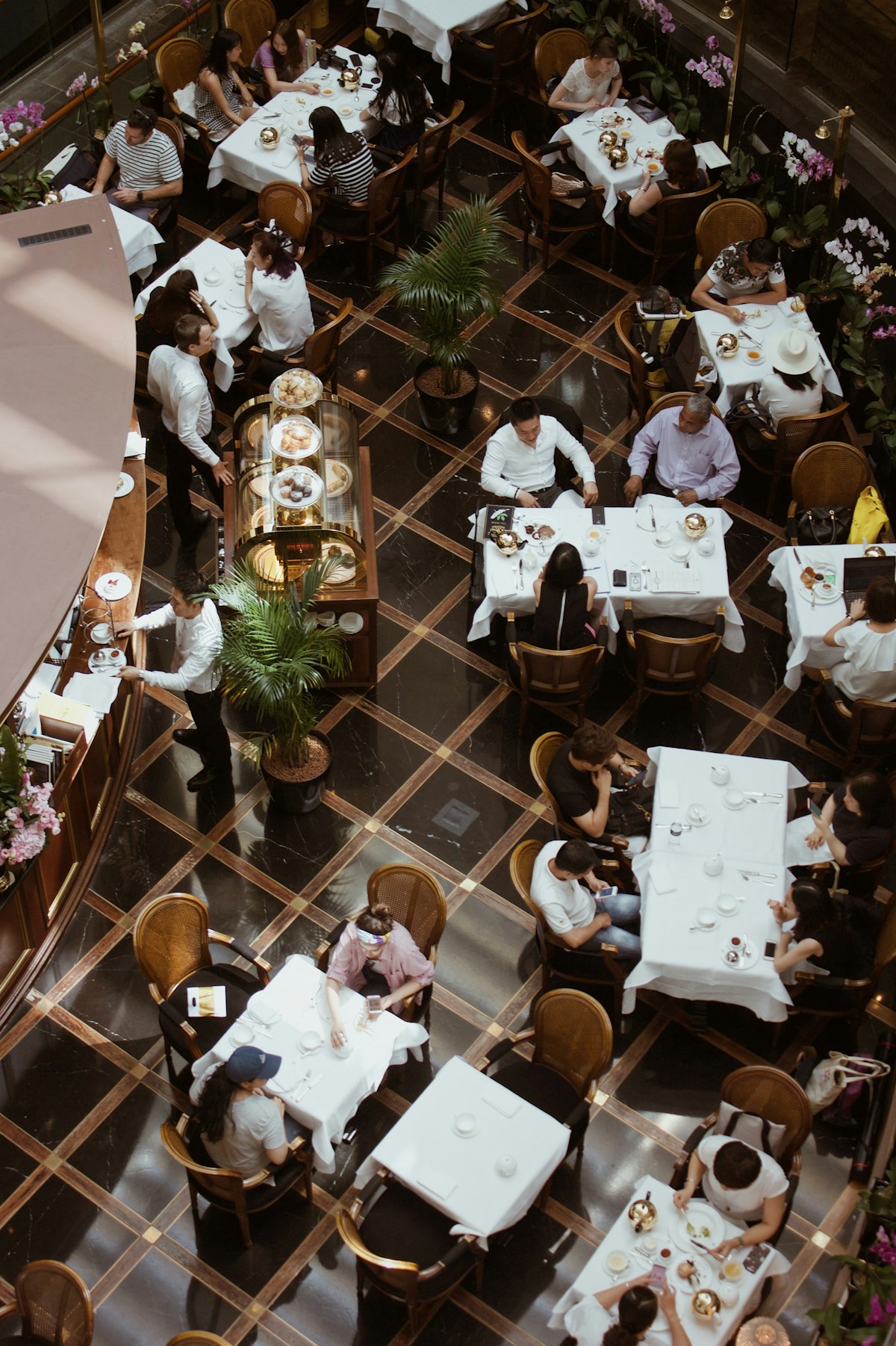
There is a pattern that repeats every year. By mid-April, restaurants bring out the darker tablecloths, light candles on the tables, and shift the menu toward heartier dishes. The visual and dining experience transforms to welcome the fall season.
But the music stays exactly the same as it was in the summer.
It is not negligence — it is that no one thinks about it. Sound design is usually the last thing to get updated, and yet it is what guests perceive most unconsciously and persistently. Updating your seasonal music is not an aesthetic whim: it has direct effects on mood, time spent at the table, and average check size.
Why Fall Calls for a Different Kind of Music
Ambient temperature affects the way we process sound. Environmental psychology studies show that in colder settings, people respond better to slower melodies with more harmonic layers and warmer timbres: strings, piano, and voice up front. The threshold for "music that feels too energetic" drops with the cold.
In other words: what worked perfectly on a Friday evening in February on your patio can feel jarring in the same space in May, with the heat on and rain against the windows.
When the music is in sync with the temperature, the light, and the food, the brain reads the experience as more pleasurable and authentic. When they clash, there is a vague discomfort the guest cannot name — but that ends up cutting their visit short.
What Actually Changes in Fall Music
It is not just about turning down the volume and putting on jazz. The changes are more specific:
Tempo. In summer, the 105–130 BPM range works well — it carries that patio energy. In fall and winter, the sweet spot drops to 80–100 BPM. That slower pace invites guests to linger, order a second glass of wine, and extend the after-dinner conversation.
Timbre. Bright, high-frequency sounds — clean electric guitar, synthesizers, light electronic music — are associated with openness and light. For warm fall interiors, rounder timbres work better: upright bass, grand piano, cello, close-mic'd vocals.
Harmonic density. Sparser arrangements — solo guitar and voice, or solo piano — create greater intimacy. This is ideal for the April–August period, when tables are occupied by couples, small groups, and longer gatherings.
Volume. In winter, guests are less tolerant of loud music. The optimal level drops about 3–5 dB compared to summer, especially during weekday lunch service.
Three Common Mistakes That Get Worse in Fall
A Basic Framework for the Season
If you want to start adapting your music programming without overthinking it, this framework works as a starting point:
| Time Slot | Style | Reference BPM |
|---|---|---|
| Opening – 1:00 p.m. | Soft jazz, bossa nova, acoustic | 70–85 |
| Lunch 1:00–4:00 p.m. | Indie folk, melodic pop, soul | 90–105 |
| Afternoon 4:00–7:30 p.m. | Neo soul, soft R&B, organic electronic | 85–100 |
| Evening 7:30–10:30 p.m. | Modern jazz, trip-hop, ambient pop | 80–95 |
| Closing 10:30 p.m.+ | Ambient, minimalist | 65–80 |
These ranges are guidelines. Every venue has its own character and clientele, and the music needs to speak that same language.
What Sets a Restaurant With a Sonic Identity Apart
The venues that use music best are not just picking songs: they are designing an atmosphere. That means knowing their guests, understanding the rhythms of the day, and having the judgment to update when the season changes.
A restaurant can have the best food on the block and still lose a guest to the place across the street — which, with a similar culinary offer, simply has the right music. Not because it is more sophisticated, but because the guest's brain reads it as more coherent, more considered, more authentic.
Fall is a good reason to take a fresh look at what your diners are hearing while they try your seasonal menu.
At Mystify Radio we design custom music stations for restaurants, hotels, and cafes. If you want to adapt your sound design to the season, let's talk.
CEO and founder of Mystify Radio. Music curator for 100+ venues across LATAM. Specialist in audio branding and sonic identity.
About PauloWhat people ask us
Why does seasonal music matter for a restaurant's bottom line?
According to the article, adapting music to the season has direct effects on mood, time spent at the table, and average check size. Specifically, slower tempos in the 80-100 BPM range associated with fall and winter are linked to a 23% increase in average check, as guests tend to linger longer, order a second glass of wine, and extend after-dinner conversation.
What BPM range works best for restaurant music in fall and winter?
The article recommends an 80-100 BPM sweet spot for fall and winter, compared to the 105-130 BPM range that works well during summer. The framework provided breaks this down further by time slot, ranging from 65-80 BPM at closing to 90-105 BPM during lunch service.
What types of instruments and sounds are ideal for a fall restaurant atmosphere?
The article points to rounder, warmer timbres as the right choice for fall interiors: upright bass, grand piano, cello, and close-mic'd vocals. Bright, high-frequency sounds like clean electric guitar, synthesizers, and light electronic music are described as better suited for summer, since they are associated with openness and light.
What are the most common music mistakes restaurants make in fall?
The article identifies three key mistakes. First, keeping a peak-season summer playlist running year-round, which clashes with the colder, rainier environment. Second, confusing relaxing music with generic, uncurated chill lounge playlists that frequent diners will notice as low-effort. Third, ignoring how dining hours shift in winter, since tables turn over earlier, by around 9:00 p.m. in May compared to 11:30 p.m. in summer.
How much should restaurant volume change between summer and winter?
The article states that in winter, guests are less tolerant of loud music, and the optimal volume level drops about 3-5 dB compared to summer. This reduction is especially relevant during weekday lunch service.
What is the difference between a restaurant with a sonic identity and one that just plays background music?
The article argues that venues that use music best are not just picking songs but designing an atmosphere, which means knowing their guests, understanding the rhythms of the day, and updating their programming when the season changes. It notes that a restaurant can have the best food on the block and still lose a guest to a competitor simply because that competitor's music feels more coherent, considered, and authentic to the guest's brain.
Get the next article
Once every two weeks. No spam, only what is worth reading.