
Music Zoning: The Strategy Top Retailers Use to Guide Customers Without Them Noticing
The right music in each zone of a commercial space can increase average ticket size, extend dwell time, and reinforce brand identity — all without customers realizing it.
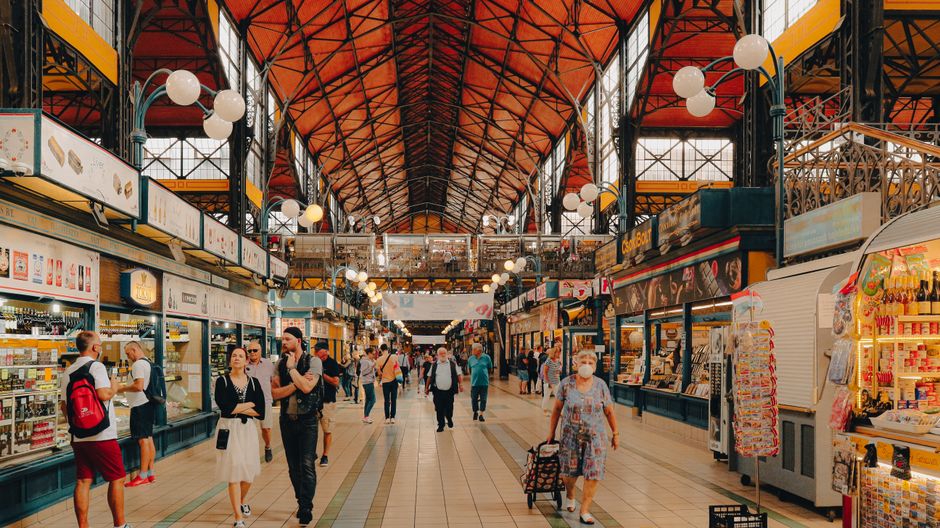
The space that sounds different in every corner
Walk into a food hall in Santiago on a Saturday afternoon. In the seating area at the back, where people sit down to eat, something calm is playing — almost cinematic. Near the entrance corridor, the tempo picks up slightly. In the desserts and coffee section, the music has a warm, almost intimate tone. None of that is accidental. It is music zoning, one of the most sophisticated atmosphere strategies used today by the highest-performing commercial spaces.
The idea seems simple on the surface: different zones within the same venue receive different music, calibrated for the behavior expected from customers at that point in their journey. But behind that simplicity lies solid evidence, concrete numbers, and world-class brands that have spent years refining this logic.
Why a single playlist is not enough
For decades, background music in retail and food service was treated as a uniform block: one playlist playing the same way throughout the entire store, all day long. The problem is that this logic ignores something fundamental: customers do not behave the same way in every square foot of a space or at every moment of their visit.
Leading retailers today use "music zoning" — playlists adapted to different areas of the venue or times of day — to serve different customer groups simultaneously. A field experiment found that departments playing music tailored to their specific audience recorded more purchases and higher spending, compared to using a uniform playlist across the entire store.
The mechanism is psychological before it is musical. Atmosphere affects not only how long customers stay in a space, but also what they decide to buy. Slower music can induce more reflective browsing, which tends to translate into a higher average ticket. But that same slow tempo can be counterproductive at the store entrance, where the goal is to activate visitors and orient their path through the space.
The numbers that convince managers
The question every commercial operator asks is straightforward: what is this worth in real money? Academic evidence provides concrete answers.
- In 2017, researchers at HUI Research conducted the largest field study ever carried out on music in commercial environments: they tracked 1.8 million transactions and surveyed 2,101 customers across 16 restaurants over five months. Their conclusion was clear: music that matches brand identity increases revenue by 9.1% compared to playing random popular music.
- While total sales rose 9.1% with the right music, certain categories grew even more: dessert sales increased by more than 15%, and side dishes by more than 11%.
- The most striking finding: playing random popular music that does not fit the brand decreased sales by 4.3% compared to playing no music at all.
- A Pathintelligence study demonstrated a significant and positive relationship between dwell time and sales: a 1% increase in dwell time translated into a 1.3% increase in sales.
These numbers carry particular weight when applied to the zoning model: if each zone is tuned to maximize the desired behavior, the effect compounds across the customer's entire journey.
How the brands that do it best think about music
The most rigorous brands in this space do not choose music based on personal taste. They choose it the way a builder selects a material: with function and purpose in mind.
Target, for example, does not anchor its sonic identity to a short musical logo, but rather to a curated set of playlists that creates an energetic, playful atmosphere. At any given moment, every customer in every Target store across the United States is listening to the same song, with the explicit goal of making people want to stay, browse, and buy more.
Gucci, for its part, has published its in-store playlist on Spotify and launched a special list for its centennial, capturing a unique niche where luxury meets the aspirational to connect with audiences in new ways.
The principle behind both cases is the same: building a sonic identity is more complex than writing a catchy melody; it involves mapping emotions to sounds, identifying the brand's personality traits — playful vs. serious, bold vs. understated — and translating them into musical components such as tempo, instrumentation, and tone.
For a food hall or concept store with multiple zones, this means that each section must express a different facet of the same brand personality, not sound as if it belongs to an entirely different brand.
Practical zoning: three critical moments in the customer journey
Although every space has its own logic, there are three moments in the customer journey where music zoning has the most proven impact:
1. The entrance and traffic zone
This is the point where customers unconsciously decide whether they are going to explore or move quickly toward a specific destination. Retail traffic fluctuates throughout the day: morning visitors tend to browse at a leisurely pace, while afternoon and evening visitors are more purposeful. Aligning the energy of the playlist with customer behavior during each time slot allows the space to guide how people interact with it. An entrance with dynamic, recognizable music activates visitors and communicates the brand's energy in under ten seconds.
2. Product or consumption zones
This is where the purchase decision happens. Slower music can lead to more reflective browsing that translates into a higher average ticket. In addition, music that matches the product category or the customer's demographic profile can subtly influence decision-making. In a specialty dessert area, for instance, soft, intimate music can elevate the perceived quality of the product without customers consciously noticing.
3. Extended-stay zones (seating areas, lounges, waiting areas)
In a classic study by Ronald Milliman, slow-tempo music led diners to order an average of 3 more drinks per table, which amounted to a 40% increase in beverage revenue. In food halls and restaurants with seating areas, this is the most directly actionable variable: the tempo of the music can function as an invisible regulator of how long people choose to stay.
The most common mistake: uniform volume everywhere
Zoning is not just about musical genre or tempo. Volume is part of the equation. If the volume is too low, the venue feels lifeless; if it is too high, customers may feel overwhelmed or rushed. A food hall where the seating area plays at the same level as the entrance corridor misses the opportunity to create differentiated micro-environments that extend dwell time in the highest-ticket zones.
70% of consumers report that music improves their shopping experience, which translates into longer dwell time and higher spending. But that effect depends on the music being perceived as appropriate for its context. A playlist that is congruent with the zone and the time of day maximizes that perception.
Curating by zone: work that requires human judgment
Effective music zoning is not achieved by selecting genres through an algorithm. It requires understanding the emotional narrative of the space: how the customer should feel upon entering, what emotion they should experience while making a selection, and how they should remember the place after they leave. Research shows that sound has a measurable impact on consumers: there is an 86% correlation between the subconscious emotional response to sound and the conscious desire to return to that experience.
That is exactly the logic behind how Mystify Radio works: each station is designed with a deep understanding of the brand's personality, the customer journey, and the commercial objectives for each zone. It is not a generic playlist that sounds the same everywhere. It is a sonic architecture that accompanies — and guides — every moment of the experience.
The global commercial background music market is projected to grow from USD 2.97 billion in 2025 to USD 5.38 billion in 2035, driven in part by growing demand for personalization and the demonstrated impact on customer engagement. The question for every commercial space operator is no longer whether music matters. The question is whether every square foot of their venue is sounding intentionally — or simply sounding.
CEO and founder of Mystify Radio. Music curator for 100+ venues across LATAM. Specialist in audio branding and sonic identity.
About PauloWhat people ask us
What is music zoning and how does it work in retail spaces?
Music zoning is the strategy of playing different, carefully calibrated music in different areas of a commercial venue based on the customer behavior expected in each zone. Rather than running a single uniform playlist throughout an entire store or food hall, each section — entrance, product area, seating zone — receives its own sonic environment tuned to guide how visitors feel and act. The article describes it as one of the most sophisticated atmosphere strategies used by high-performing commercial spaces today.
What is the proven revenue impact of using the right music in a retail or restaurant environment?
A 2017 HUI Research field study tracked 1.8 million transactions across 16 restaurants over five months and found that music matching brand identity increases revenue by 9.1% compared to random popular music. Specific categories saw even larger gains: dessert sales grew by more than 15% and side dishes by more than 11%. Notably, playing random popular music that does not fit the brand actually decreased sales by 4.3% compared to playing no music at all.
How does music in a seating or lounge area affect customer spending?
Slow-tempo music in extended-stay zones has a direct and measurable effect on beverage revenue and dwell time. In a classic study by Ronald Milliman cited in the article, slow-tempo music led diners to order an average of 3 more drinks per table, amounting to a 40% increase in beverage revenue. A Pathintelligence study also found that a 1% increase in dwell time translates into a 1.3% increase in sales.
Why is a single playlist not enough for a multi-zone commercial space?
Customers do not behave the same way in every part of a venue or at every moment of their visit, so a uniform playlist fails to support the different goals of each zone. For example, slow music that encourages reflective browsing and higher average tickets in a product area can be counterproductive at the entrance, where the goal is to activate visitors and orient their path. A field experiment referenced in the article found that departments playing music tailored to their specific audience recorded more purchases and higher spending than those using a uniform playlist.
What role does volume play in an effective music zoning strategy?
Volume is as important as genre and tempo in creating differentiated micro-environments. If volume is too low the venue feels lifeless, while volume that is too high can make customers feel overwhelmed or rushed. The article points out that a food hall where the seating area plays at the same volume level as the entrance corridor misses the opportunity to extend dwell time in the highest-ticket zones.
How do major brands like Target and Gucci approach sonic identity in their stores?
Target synchronizes its playlists so that every customer in every U.S. store hears the same song at any given moment, with the explicit goal of creating an energetic, playful atmosphere that encourages people to stay, browse, and buy more. Gucci has published its in-store playlist on Spotify and launched a special list for its centennial, connecting a luxury experience with aspirational audiences in new ways. Both cases illustrate the article's point that building a sonic identity means mapping brand personality traits — such as playful vs. serious or bold vs. understated — to musical components like tempo, instrumentation, and tone.
Get the next article
Once every two weeks. No spam, only what is worth reading.