The Sonic Identity of Nightclubs: When Music IS the Product
In a nightclub, music doesn't set the scene for the business -- it is the business. Learn how top venues build brand, loyalty, and differentiation through sound.
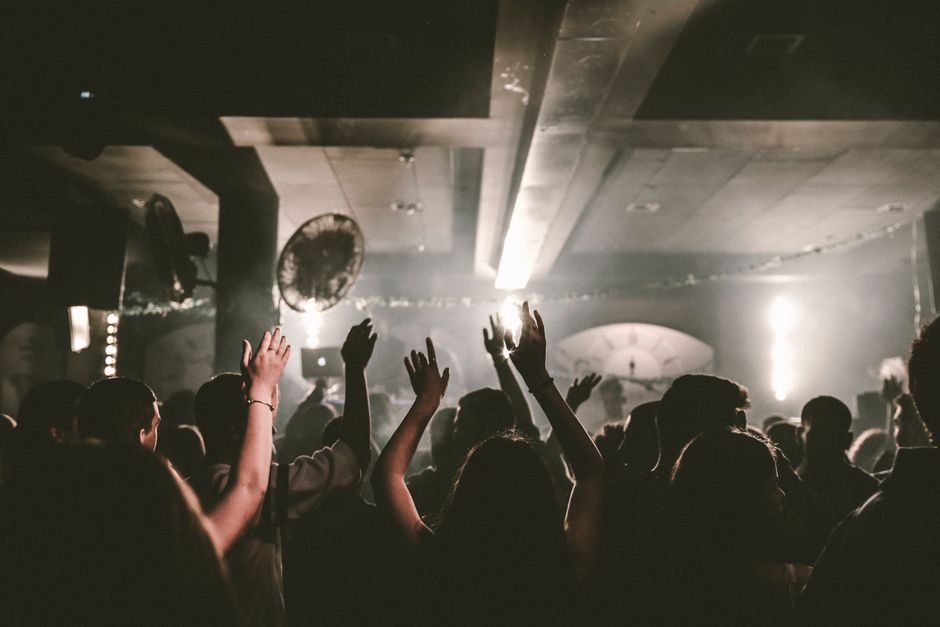
Nowhere else does music define the brand more
In a restaurant, music is one of several elements that shape the experience. In a hotel, it competes with architecture and service. In a nightclub, music is the core product. People don't go to a club to eat, shop, or look at art. They go to share a collective sonic experience. That makes music programming the single most important strategic decision a nightlife operator can make.
Yet a large portion of clubs across Latin America still treat their music programming as an operating expense rather than a brand investment. The difference between venues that build loyal communities and those that simply fill seats on a Friday night almost always comes down to that distinction.
Music as a brand personality builder
The world's best nightclubs don't program music -- they program identity. Research in hospitality branding is clear on this point: in nightlife entertainment spaces, guests evaluate their experience based heavily on the coherence between what they expected sonically and what they actually lived. "The clientele and atmosphere of a venue are key factors in attracting and retaining customers, and music is another significant element that contributes to building the establishment's atmosphere."
This has concrete consequences for how a venue's reputation is built. "Exclusive clubs operate differently from most businesses: they routinely turn away potential customers who have money to spend." Why? Because their brand is built on the image of who belongs in that space -- and that image is directly fed by the sound that defines the place. The music portfolio isn't decoration: it's community curation.
"Guest selection at exclusive clubs is a brand-building process, and the primary value of customers to the club is the image they lend to the brand." In marketing terms: music determines who feels identified with the venue, and those who feel identified shape the venue's visible positioning.
The balance casinos learned first
Casinos have spent decades perfecting a logic that nightclubs sometimes overlook. "Casinos occupy a specific sweet spot: they want the customer to feel comfortable and steady -- neither rushed nor bored. That's why background music tends to avoid extremes. Too fast can feel frantic; too slow can feel drowsy. A mid-range tempo keeps the flow."
For clubs, the logic is similar but with an intentional tension curve: music must build energy progressively, sustain it, and pace it carefully. "Music in public spaces is not just a backdrop; it's a design decision. Brands use sound to shape mood, tempo, and attention -- often without you noticing." In a club, that process cannot be random or handed off to a Spotify playlist.
Tempo, familiarity, and the dwell-time effect
Consumer behavior science in commercial spaces offers data that nightlife operators should know by heart. "Research in environmental psychology and marketing has repeatedly demonstrated that music affects consumer behavior through tempo, congruence, arousal, and affective tone. Slower music has been associated with longer dwell times and exploration, while more activating music can increase perceived energy and movement through the space."
This is not trivial for a club's financial equation. Longer dwell time translates directly into more spending. "Recent research confirms that background music shapes impressions of how long to stay in a space, what to buy, and how much to spend. The right music choice, at the right moment, can make consumers feel more inclined to make impulse purchases, spend more money, take their time, or consume more."
On the other hand, "familiar music does something functionally useful: it occupies emotional space without demanding cognitive effort. The listener is less likely to stop and analyze it. It becomes atmosphere." A club that alternates entirely unfamiliar tracks with moments of emotional recognition achieves a balance that sustains energy without generating listener fatigue.
Sound as a system, not a single track
One of the most important lessons from contemporary sonic branding is that powerful sonic identity is not a single song or a favorite DJ -- it's a system. "Leading brands are building cohesive sonic systems: flexible musical frameworks designed to iterate and scale across platforms, formats, and key moments. Rather than creating isolated pieces, brands build core themes tied to their DNA that can expand into long-form content, short cues, experiential audio, and more."
For a nightclub, this means sonic identity must function across multiple simultaneous layers:
- The opening set: builds anticipation and communicates to early arrivals the tone of the night.
- Peak hour: the most memorable sonic signature -- the one that defines the venue's reputation.
- The closing: the moment that determines whether guests leave satisfied or wanting more, and that emotional memory is what drives them to come back.
- External communications: social media, event trailers, and even pre-party playlists must all be consistent with the venue's sonic DNA.
"Sonic identities that endure are not the ones with the catchiest hook. They are the ones built to do four things well: they are distinctive, capable of being recognized within a saturated soundscape in under two seconds." A club with a well-defined sonic identity is recognizable before the first track of the night even plays.
The new era: personalization without losing coherence
The sonic branding landscape in 2025 and 2026 points in a clear direction: "brands are connecting with their audiences more than ever through music, generating deep emotional connections. Personalization and authenticity are on the rise, as is branded music that incorporates a human touch. It's not just about sounding good -- it's about creating audio that speaks uniquely to specific audience segments."
For nightclubs across LATAM, this opens a concrete opportunity: building a sonic identity that genuinely reflects local culture, neighborhood, and target audience -- without sacrificing international production standards. "With advances in sonic evaluation platforms, brands can create and refine music that reflects their DNA, values, voice, and the emotional needs of their audiences, shifting from intuition-based decisions toward more predictable, data-backed processes."
This is precisely what services like Mystify Radio apply in commercial spaces: a curation approach that doesn't improvise, but instead builds a consistent sonic narrative night after night, event after event. The difference between a club that "plays good music" and one that has a true sonic identity is the difference between a venue that fills up when the DJ is trending and one that builds a community that comes back regardless of who's behind the decks.
The question every nightlife operator should ask themselves
If you completely changed your venue's music programming tomorrow, would your regulars still show up? If the answer is "probably yes, as long as the place still looks good," there's work to be done. Loyalty to a club isn't built with infrastructure -- it's built with sound.
"The pub, bar, and nightclub market is undergoing significant transformation driven by shifting consumer expectations around experiential entertainment concepts. Beyond drink consumption, customers are seeking memorable social outings, fueling the trend toward creating distinctive venue atmospheres and differentiated music programming offerings."
In a market where experience is the product, sound is the medium. Clubs that understand this don't compete on cover charge or location. They compete to occupy a place in their customers' emotional memory. And that battle is won, track by track, with a deliberate sonic identity.
CEO and founder of Mystify Radio. Music curator for 100+ venues across LATAM. Specialist in audio branding and sonic identity.
About PauloWhat people ask us
What makes music programming the most important strategic decision for a nightclub operator?
In a nightclub, music is the core product rather than a background element, as people go specifically to share a collective sonic experience. Unlike restaurants or hotels where music competes with other factors, a club's entire value proposition is built around sound. The article notes that the difference between venues that build loyal communities and those that simply fill seats almost always comes down to whether music is treated as an operating expense or a brand investment.
How does music affect how long customers stay and how much they spend at a nightclub?
Research in environmental psychology cited in the article shows that slower music is associated with longer dwell times, while more activating music increases perceived energy and movement. Longer dwell time translates directly into more spending. The article also notes that the right music at the right moment can make consumers feel more inclined to make impulse purchases, spend more money, and consume more.
What is a sonic identity system for a nightclub and what layers does it include?
A sonic identity system is a cohesive musical framework that goes beyond a single song or a favorite DJ, designed to function consistently across multiple touchpoints. For a nightclub, the article identifies four key layers: the opening set that builds anticipation, the peak-hour signature that defines the venue's reputation, the closing that shapes the emotional memory guests take home, and external communications such as social media and event trailers. A well-built sonic identity should be recognizable in under two seconds within a saturated soundscape.
Why do exclusive clubs turn away paying customers, and what does that have to do with music?
According to the article, exclusive clubs turn away potential customers because their brand is built on the image of who belongs in that space, and that image is directly fed by the sound that defines the place. Guest selection at these clubs is essentially a brand-building process, where the primary value of customers is the image they lend to the brand. In marketing terms, music determines who feels identified with the venue, and those people in turn shape the venue's visible positioning.
What is the risk of using a generic Spotify playlist or trending DJ for a club's music programming?
The article warns that handing music programming off to a random Spotify playlist means the sonic experience is not designed, which undermines brand coherence and emotional impact. Clubs that rely on a trending DJ rather than a defined sonic identity end up with a venue that fills up only when that DJ is popular, rather than building a community that returns regardless of who is behind the decks. A well-defined sonic identity is what separates venues with loyal regulars from those that simply chase momentary traffic.
How can LATAM nightclubs use data and personalization to build a stronger sonic identity?
The article points to advances in sonic evaluation platforms that allow brands to create and refine music reflecting their DNA, values, and the emotional needs of their audiences, shifting decisions from intuition-based to data-backed processes. For LATAM clubs specifically, this opens the opportunity to build a sonic identity that genuinely reflects local culture and neighborhood without sacrificing international production standards. Services like Mystify Radio are cited as an example of a curation approach that builds a consistent sonic narrative night after night rather than improvising.
Get the next article
Once every two weeks. No spam, only what is worth reading.