
When Volume Is the Brand: Retail Lessons on Music and Identity
The music playing in a store is not decoration — it's a statement of identity. The Abercrombie & Fitch case proves it better than any textbook.
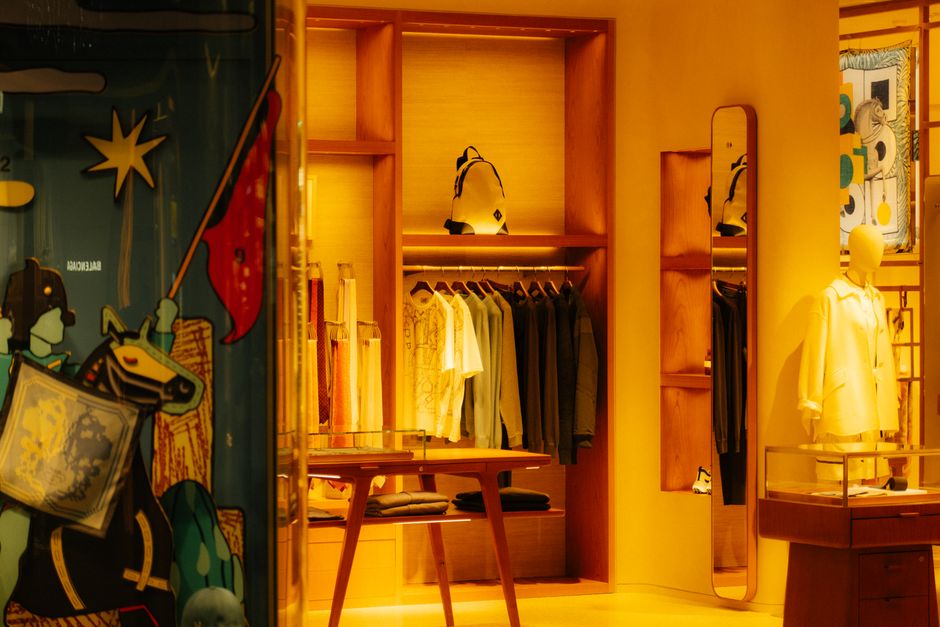
The sound that reaches you first
Before seeing a single product, before speaking with a sales associate, the customer has already received a message. That message has tempo, has volume, has a playlist behind it. In retail, music does not set the mood for the space: it is the space. It is the first layer of brand communication the body processes — and it does so before the customer makes any conscious decision.
This idea, which today seems obvious, took decades to be taken seriously outside the major consumer-experience research labs. The problem was not a lack of evidence — it was a lack of urgency. While physical retail was thriving, no one asked too many questions about why a store sounded the way it did. Today, in a landscape where every visit to a store must justify itself against the convenience of e-commerce, that question has become a strategic one.
The Abercrombie case: when music IS the positioning
Few cases illustrate the relationship between music and brand identity better than Abercrombie & Fitch and its sister chain Hollister. For two decades, these stores built a total sensory experience: Abercrombie & Fitch stores became known for their unique in-store experience, which combined dim lighting, loud music, and the distinctive scent of their signature fragrance. It was neither accidental nor cheap — it was a positioning decision designed to project exclusivity and belonging to a specific tribe.
The thumping music — high-BPM electronic and pop — created an atmosphere designed to evoke the feeling of walking into an exclusive party. The target customer was not buying jeans; they were buying access to a lifestyle. And the music was the key that unlocked that promise.
The results were extraordinary as long as the positioning remained coherent with its audience: in 2013, the Abercrombie brand was at its most popular, and the company generated record sales of $4.5 billion in its fiscal year 2012. The sonic experience was not an atmosphere cost — it was part of the sales engine.
The danger of becoming a prisoner of your own sound
Yet the same case illustrates the other side of the coin. The dark lighting and thumping music created a "charged atmosphere that is confident and a little provocative." Iconic as it was at the time, this in-store experience — synonymous with the Abercrombie & Fitch brand — also became the root of its decline.
When consumer values shifted — when exclusivity moved from aspirational to exclusionary — the music kept playing the same way. The problem was not the volume itself, but that the sound had stopped representing what the new customer wanted to feel. Abercrombie & Fitch significantly evolved its brand positioning and identity in recent years, moving away from an exclusive, elitist image toward one that emphasizes inclusivity and diversity. That shift brought a sonic transformation as well: Hollister today offers a different retail experience, with more light, but the brand remains committed to making music a central part of its brand identity.
The lesson is precise: music cannot stay frozen when the brand evolves. If a store's sound contradicts the new positioning, customers perceive it as noise — both literally and figuratively.
What the research says about music and consumer behavior
Beyond brand case studies, academic research offers concrete figures that no retail operator should ignore. A 2024 study published in Frontiers in Psychology found that background music significantly influences how long customers linger, how much they spend, and how generous their tips are.
The mechanism works in two ways and depends on tempo:
- Slow-tempo music encouraged customers to eat for longer, which translated into higher checks — particularly in beverages and desserts. When the tempo increased, tables turned faster and tips went up.
- A complementary PLOS ONE study found that diners exposed to music that matched the restaurant's atmosphere reported higher satisfaction and were more likely to describe their experience as enjoyable and memorable.
On the subject of perceived pricing, the evidence is equally revealing: the maximum price a consumer is willing to pay for a hedonic product — such as a glass of wine or a special dessert — is estimated to be higher when classical music is playing versus pop music, especially when the consumer's level of pleasure is elevated. In other words, music does not only affect how much is consumed; it affects how much people are willing to pay.
At the level of brand recall, 77% of consumers can remember a brand more easily when they associate it with a specific sound. That figure takes on a different weight when applied to physical retail: every store visit is an opportunity to anchor the brand's sonic identity in the customer's memory.
Sonic congruence as a competitive advantage
The concept that ties all these findings together is sonic congruence: the alignment between what is playing and what the brand claims to be. Studies show that congruence between the music and the concept of the venue has a more significant effect on perceptions of authenticity than enjoyment of the music itself. In other words, the goal is not to play "good" music — it is to play coherent music.
For a boutique shop selling artisanal products at a premium price point, an indie folk or chamber jazz playlist is not the manager's personal taste — it is a statement that what is being sold has history, texture, and value. For a Gen Z-oriented streetwear concept store, that same playlist would be a real-time contradiction.
A successful sonic branding strategy goes beyond simply creating catchy melodies; it involves a meticulous understanding of the brand's values, personality, and target audience. It requires careful consideration of the psychological and emotional impact of sound, as well as the context in which it will be used.
The global market has taken this seriously: the global sonic branding market reached $1.12 billion in 2024, with a projected annual growth rate of 13.9% through 2033. What was once an "atmosphere detail" has become a strategic investment line for brands that understand the ear is just as powerful as the eye.
From playlist to sonic signature: the step few take
The difference between a store that "plays music" and one that has a built sonic identity is the difference between a generic uniform and a style of its own. The former fulfills a minimum function; the latter communicates something before the customer says a word.
Building that signature means answering questions that go well beyond genre: At what time of day does the store's rhythm shift? How does tempo evolve from lunch to late afternoon? What emotion should the customer feel walking in versus approaching the register? Each answer is a brand decision, not just a programming one.
That is why professional music curation — like the kind offered by specialized services such as Mystify Radio — starts with a reading of the brand's DNA before a single track is chosen. The question is not "what music do you like?" but "what do you want your customer to feel when they walk through the door?"
In an environment where physical retail competes inch by inch with the digital experience, well-designed music is one of the few assets e-commerce cannot replicate. It is invisible, it is immediate, and it is profoundly human. Using it well is, quite simply, an advantage that carries no tariff and no algorithm.
CEO and founder of Mystify Radio. Music curator for 100+ venues across LATAM. Specialist in audio branding and sonic identity.
About PauloWhat people ask us
What is sonic congruence and why does it matter in retail?
Sonic congruence is the alignment between the music playing in a store and what the brand claims to be. Research cited in the article shows that congruence between music and the venue concept has a more significant effect on perceptions of authenticity than enjoyment of the music itself. In practice, this means the goal is not to play good music, but coherent music that reinforces the brand's identity and values.
How did Abercrombie & Fitch use music as a brand strategy?
Abercrombie & Fitch built a total sensory experience combining dim lighting, loud high-BPM electronic and pop music, and a signature fragrance to project exclusivity and a sense of belonging to a specific tribe. The strategy was not accidental — it was a deliberate positioning decision designed to make customers feel they were buying access to a lifestyle, not just clothing. The approach contributed to record sales of $4.5 billion in fiscal year 2012.
What happens when a brand's music stops matching its evolving identity?
The Abercrombie & Fitch case illustrates this risk directly: when consumer values shifted away from exclusivity toward inclusivity, the store's sound kept playing the same way, and the disconnect contributed to the brand's decline. The article states that if a store's sound contradicts new positioning, customers perceive it as noise, both literally and figuratively. Music cannot stay frozen when the brand evolves.
Does background music actually influence how much customers spend?
Yes, according to a 2024 study published in Frontiers in Psychology cited in the article, background music significantly influences how long customers linger, how much they spend, and how generous their tips are. Slow-tempo music encouraged customers to eat longer, leading to higher checks, while faster tempo increased table turnover and tips. Additionally, classical music was associated with consumers being willing to pay a higher maximum price for hedonic products such as wine or special desserts compared to pop music.
How big is the sonic branding market and how fast is it growing?
According to the article, the global sonic branding market reached $1.12 billion in 2024, with a projected annual growth rate of 13.9% through 2033. This growth reflects a broader industry recognition that sound is a strategic investment, not merely an atmosphere detail. What was once considered a secondary concern has become a measurable competitive advantage for brands.
What is the difference between a store that plays music and one with a true sonic identity?
The article describes the difference as that between a generic uniform and a style of one's own. A store that simply plays music fulfills a minimum function, while one with a built sonic identity communicates something before the customer says a word. Building a real sonic signature requires answering brand questions such as how tempo should evolve throughout the day and what emotion the customer should feel at different moments in the store, making it a brand decision rather than just a programming one.
Get the next article
Once every two weeks. No spam, only what is worth reading.